
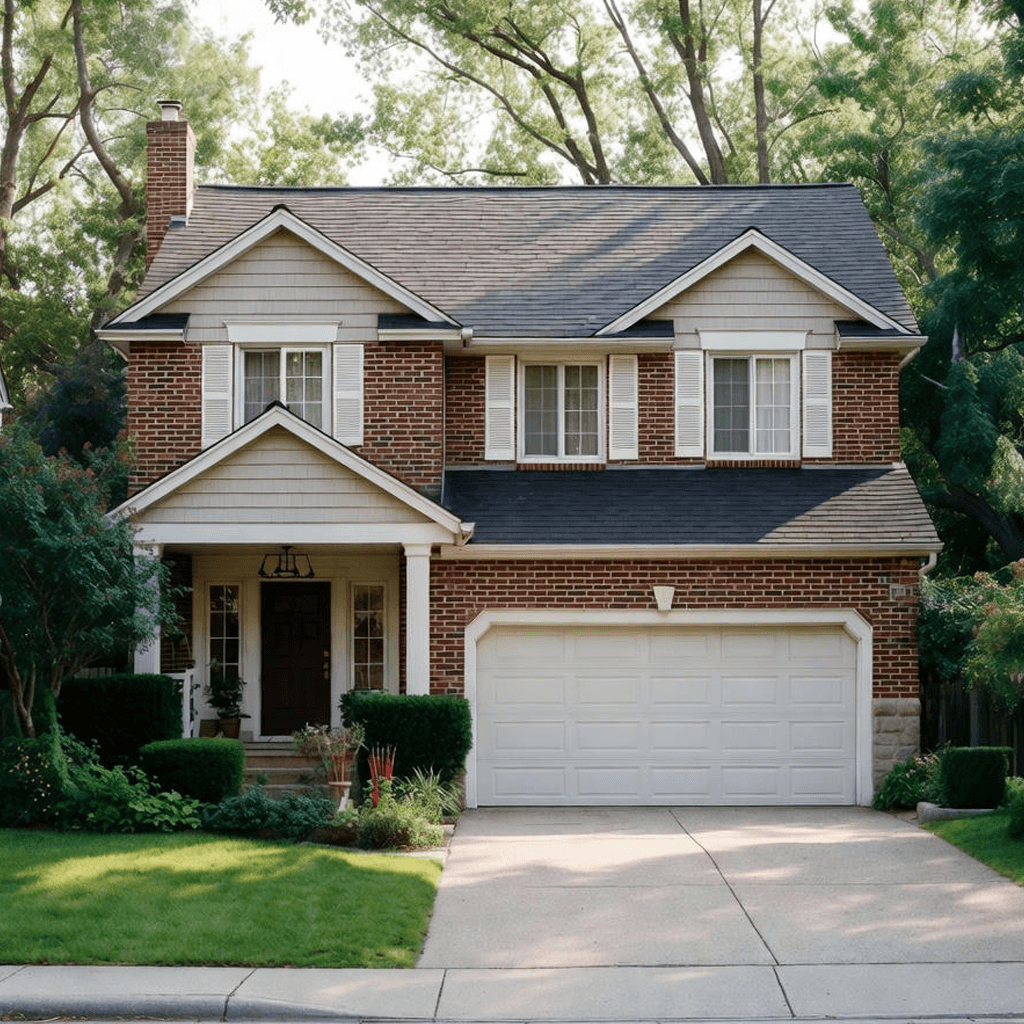
Many homeowners assume high value home insurance and high risk home insurance mean the same thing. In reality, they address completely different insurance concerns. One focuses on protecting expensive properties with premium features, while the other focuses on properties that present a greater likelihood of claims or losses.
Understanding the distinction helps Ontario homeowners choose the right protection for their property type, rebuild cost, and risk exposure.
What Is High Value Home Insurance?
High value home insurance protects properties with higher-than-average rebuild costs, luxury finishes, and unique architectural features. These homes often exceed the limits available through standard home insurance policies.
A property may qualify for high value home insurance in Ontario when it includes:
- Custom-built construction
- Premium materials and imported finishes
- Smart home automation systems
- High-end kitchens and cabinetry
- Wine cellars or home theatres
- Valuable collections, art, or jewelry
- Large square footage or complex architecture
Luxury home insurance in Ontario focuses on preserving the full replacement value of the property and maintaining lifestyle standards after a loss.
What Is High Risk Home Insurance?
High risk home insurance applies to homes insurers consider more likely to generate claims. The classification relates to exposure and condition rather than luxury or market value.
A property may require high risk home insurance because of:
- Older electrical, plumbing, or heating systems
- Multiple past insurance claims
- Poor maintenance history
- Vacancy issues
- Fire exposure concerns
- Flood-prone locations
- Structural concerns
- Rural properties with limited emergency response access
Some homes with modest market values may still fall into the high-risk category if insurers identify increased exposure to damage or liability claims.
High Value Does Not Automatically Mean High Risk
This is where many homeowners become confused.
A luxury property with modern systems, strong maintenance records, and a low claims history may qualify for the best home insurance for high value homes without being considered high risk at all. Meanwhile, an older property with outdated wiring and repeated water claims could be classified as high risk even if the home itself is not expensive.
| Property Type | High Value | High Risk |
| Newly built luxury estate | Yes | Not necessarily |
| Older rural farmhouse with outdated systems | No | Yes |
| Waterfront custom home | Yes | Possibly |
| Heritage home in Ontario | Yes | Often yes |
| Standard suburban home with multiple claims | No | Yes |
Examples of Ontario Homes That May Need Specialized Coverage
Ontario homeowners often own properties that fall outside standard insurance guidelines.
Waterfront Homes
Waterfront homes may require both high value home insurance and additional risk-based protection. Exposure to flooding, shoreline erosion, and weather-related losses increases insurer scrutiny.
Rural Homes
Rural homes often face elevated risks due to distance from fire stations, septic systems, wells, and limited emergency access. Even when property values remain moderate, insurers may classify these homes as high risk.
Heritage Homes
Heritage properties frequently involve custom restoration materials and specialized rebuild requirements. Older electrical systems or structural concerns can also increase underwriting risk.
What Do Insurers Evaluate Before Offering Coverage?
Insurance providers evaluate several factors before approving coverage or determining pricing.
The most important considerations include:
- Rebuild cost instead of market value
- Property location and environmental exposure
- Maintenance history and property condition
- Age of the home
- Electrical, plumbing, and roofing systems
- Previous claims history
- Vacancy periods
- Proximity to fire services and hydrants
For high value home insurance in Ontario, insurers also examine luxury upgrades, custom construction details, and valuable personal belongings.
Best Policy Features for Unique Homes
Standard home insurance policies may not fully protect luxury or specialty properties. The best home insurance for high value homes often includes broader protection and customized coverage structures.
Important features may include:
- Guaranteed replacement cost coverage
- Extended rebuilding limits
- Coverage for fine art and jewelry
- Water damage endorsements
- High liability limits
- Specialized heritage restoration coverage
- Coverage for detached luxury structures
- Enhanced additional living expenses
Luxury home insurance policies often provide greater flexibility when rebuilding custom properties after a major loss.
Comparing High Value And High Risk Home Insurance
| Feature | High Value Home Insurance | High Risk Home Insurance |
| Main Purpose | Protect luxury assets and rebuild costs | Protect homes with elevated claim exposure |
| Property Type | Luxury, custom, premium homes | Older or higher-risk properties |
| Coverage Focus | Specialized and enhanced protection | Risk management and basic protection |
| Rebuild Coverage | Higher replacement limits | May include restrictions |
| Eligibility Factors | Home value and custom features | Claims history and property condition |
| Premium Drivers | Rebuild cost and valuables | Increased likelihood of claims |
| Deductibles | Flexible options available | Often higher deductibles |
| Common Ontario Examples | Luxury estates, waterfront homes | Older rural homes, aging properties |
Choosing The Right Coverage For Ontario Properties
Ontario homeowners should evaluate both the value of the property and the risks associated with the home itself. A high-end custom property may require luxury home insurance because of rebuild complexity, while older or poorly maintained properties may require high-risk coverage because insurers anticipate greater losses.
Some homes may require elements of both policies, especially waterfront estates, heritage homes, or large rural properties. Working with experienced insurance brokers in Ontario helps homeowners compare multiple insurers and find coverage that reflects the actual characteristics of the property rather than relying on standard policies alone.