
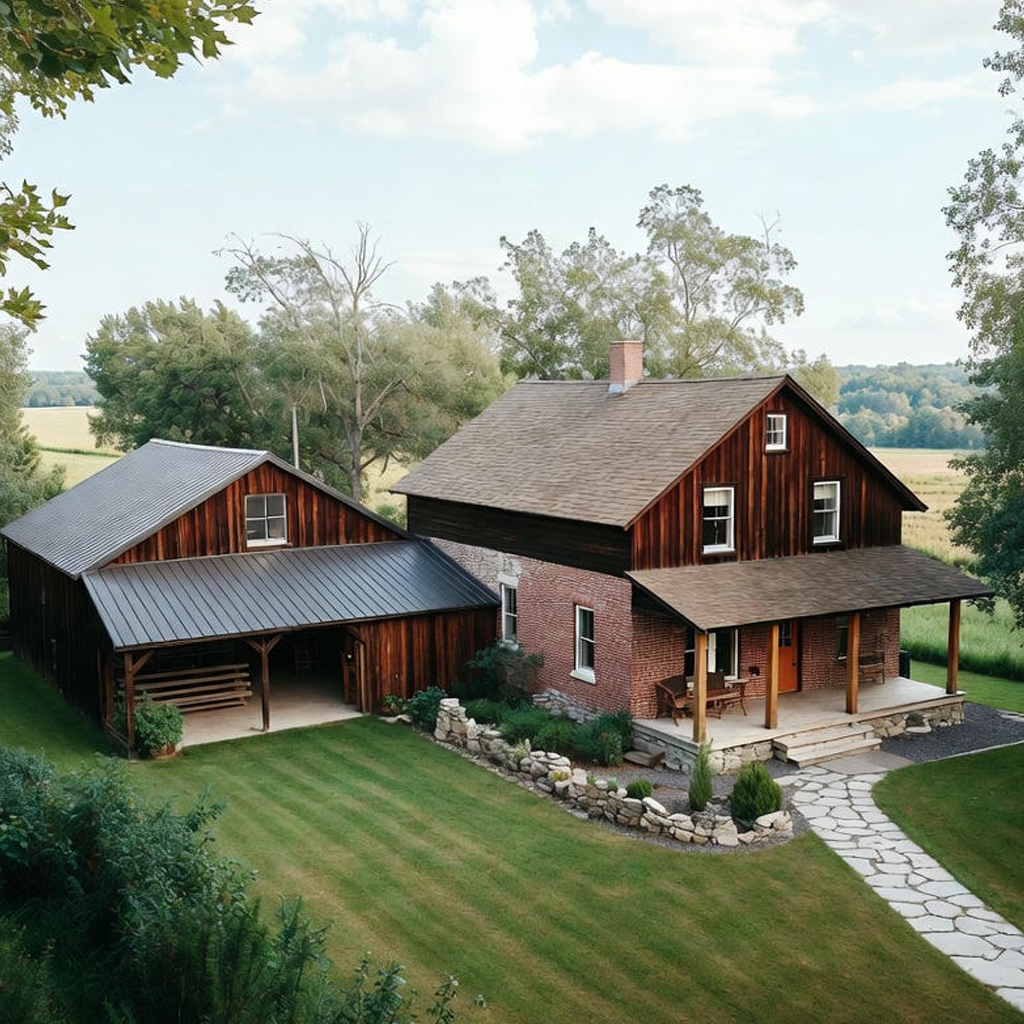
Your home is likely the largest investment you will ever make. Choosing the right insurance policy is not just a formality, it is the difference between full financial recovery after a loss and being left with a gap you cannot afford to close. Whether you are exploring high value home insurance, navigating high risk home insurance, or simply trying to understand your options, this guide covers what every Canadian homeowner needs to know.
People Also Ask
What is the difference between replacement cost and market value in home insurance?
Replacement cost covers what it costs to rebuild your home using current materials and labour. Market value reflects what your home would sell for today, which is often a different and sometimes lower figure.
Who needs high risk home insurance in Canada?
Homeowners with properties in flood zones, aging electrical or plumbing systems, extended vacancy periods, or a history of multiple claims typically require high risk home insurance.
What Type of Coverage Do You Actually Need?
Canadian home insurance policies generally fall into two main tiers:
Comprehensive covers your home’s structure and personal belongings against all risks except those specifically excluded. This is the highest level of protection available and the right choice for most homeowners particularly those with high value home insurance needs.
Broad Form offers all-risk coverage for the structure but only named-risk coverage for personal property. It strikes a balance between cost and protection, though it leaves contents more exposed.
If your property has elevated risk factors flood zones, aging systems, or a poor claims history you may be looking at high risk homeowners insurance, which often comes with more limited coverage options and modified terms regardless of which tier you start from.
What Are the Essential Components of a Home Insurance Policy?
A well-structured policy should cover four core areas:
- Dwelling Coverage — Rebuilds your home after a covered loss. This should reflect the full replacement cost of your property, including materials and labour, not its market value. For high value home insurance, this figure needs to account for custom finishes, premium materials, and unique architectural elements that cost significantly more to replicate.
- Personal Property — Replaces your belongings after theft, fire, or other covered events. High-value items like jewelry, art, or specialized equipment often need to be scheduled separately to be fully covered.
- Liability — Protects you if a guest is injured on your property or if you accidentally damage someone else’s property. Coverage of $1 million or more is typically recommended for most homeowners.
- Additional Living Expenses — Covers hotel stays and meals if your home becomes uninhabitable due to a covered claim. High value home insurance policies generally provide enhanced living expense coverage that maintains your standard of living, while high risk home insurance may offer only basic temporary accommodations.
What Factors Affect Your Premium?
Several variables determine what you pay:
- Age and condition of the home — Older homes with outdated electrical, plumbing, or roofing systems cost more to insure and are more likely to be classified as high risk. Upgrading these systems can lower your premium.
- Location — Properties in flood zones, high-crime areas, or regions prone to severe weather attract higher premiums. This is one of the primary reasons a property ends up requiring high risk home insurance.
- Security measures — Installing monitored alarm systems, deadbolts, or smart home security can reduce what you pay.
- Vacancy — If your home is left unoccupied for extended periods, most insurers require someone to check the property regularly — typically every seven days. Failing to meet this condition can void your coverage during a claim.
Replacement Cost vs. Market Value: Why the Difference Matters
This is one of the most misunderstood aspects of home insurance. Your policy should be based on what it costs to rebuild your home from the ground up — not what you could sell it for today. In many markets, these two figures are very different.
For high value home insurance, the gap is often significant. A custom-built home with imported tile, vaulted ceilings, and a smart home system will cost far more to reconstruct than a comparable property without those features. Underinsuring means you absorb the difference out of pocket.
For high risk homeowners insurance, the rebuild cost calculation still applies — but insurers may place additional restrictions on coverage or require higher deductibles that shift more financial responsibility to the homeowner.
How Do You Choose the Right Policy?
Follow these steps to make a well-informed decision:
- Calculate your replacement cost accurately. Factor in custom features, current material costs, and labour. Review this figure every year and after any major renovation.
- Take a home inventory. Document your belongings with photos and estimated values. This ensures your personal property coverage limits are adequate and simplifies the claims process.
- Compare at least three quotes. Premiums vary significantly between providers. Working with a broker gives you access to multiple insurers rather than a single company’s offerings.
- Review your exclusions carefully. Standard policies often exclude sewer backup, overland flooding, and earthquake damage. If your property is in a higher-risk area, add the appropriate riders before you need them.
- Bundle where it makes sense. Combining home and auto insurance with the same insurer typically produces meaningful savings.
- Re-evaluate annually. Your coverage needs to change as your home and its contents change. A policy that was adequate two years ago may leave you underinsured today.
When Do You Need a Broker?
If your home falls into the high value or high risk category or both, a broker is not optional, it is essential. A broker compares policies across multiple insurers, identifies gaps in coverage, and ensures the terms match your actual situation rather than a generic profile. Chapman Insurance Team works with homeowners across Ontario to find coverage that genuinely fits, whether that means a tailored high value home insurance plan, a high risk homeowners insurance solution, or a combination of both.
Get the Coverage Your Home Deserves
Choosing the right home insurance policy takes more than picking the lowest premium. It requires understanding your property, your risks, and what it would actually cost to rebuild and recover. Chapman Insurance Team is here to help Ontario homeowners make that decision with confidence. Contact us today to review your current coverage or explore your options.