
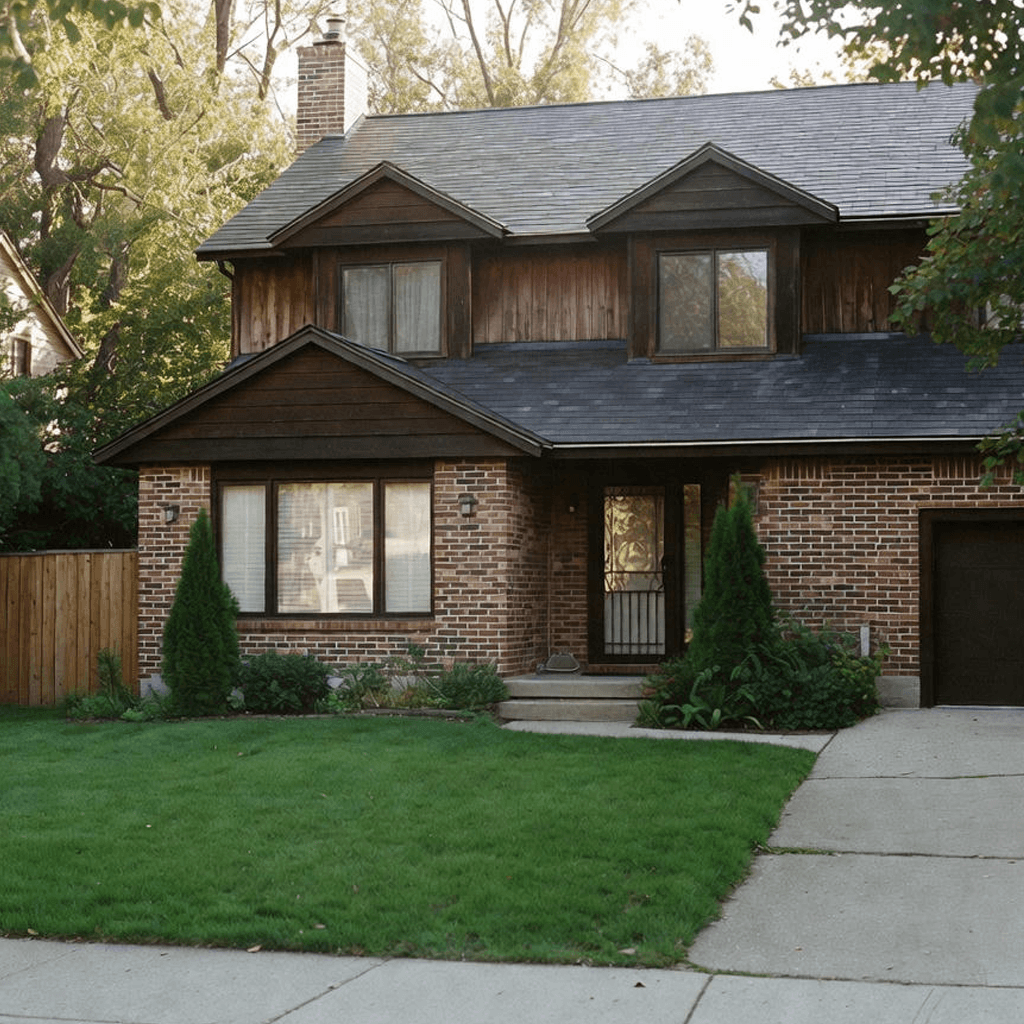
Your home represents more than just four walls and a roof. It’s where you build memories, store your valuables, and find comfort after a long day. When theft or vandalism strikes, the emotional and financial impact can be devastating. Home insurance in Ontario provides crucial protection that helps homeowners recover from these unexpected losses and restore their sense of security.
What Types of Theft Does Home Insurance Cover?
Home insurance policies typically protect against various forms of theft, both inside and outside your property. Coverage extends to break-ins where burglars force entry through doors or windows. It also includes situations where thieves gain access through unlocked entries or deception.
Your policy covers stolen belongings such as electronics, furniture, clothing, jewelry, and personal items. Many policies also protect items temporarily removed from your home, like laptops stolen from your car or luggage taken during travel. However, coverage limits often apply to high-value items.
The standard dwelling and contents protection in most Ontario policies addresses theft-related property damage. This includes broken windows, damaged locks, and forced entry points. Your insurer helps pay for repairs to restore your home’s security.
Some policies extend coverage to outbuildings like detached garages and sheds. Items stolen from these structures may qualify for reimbursement. Always review your policy details with home insurance brokers in Ontario to understand your specific coverage limits.
Does Vandalism Fall Under Standard Home Insurance Protection?
Vandalism coverage is typically included in comprehensive home insurance policies across Ontario. This protection addresses intentional damage to your property caused by others. Common examples include graffiti, broken windows, slashed tires, and destroyed landscaping.
Your policy responds when vandals damage your home’s exterior, including siding, doors, and roofing. Interior damage resulting from break-ins also qualifies for coverage. This includes destroyed furniture, damaged walls, and ruined flooring.
Malicious destruction of your belongings triggers coverage under the contents portion of your policy. Whether vandals destroy your television, pour paint on carpets, or damage appliances, your insurer helps cover replacement costs.
Most home insurance providers in Ontario process vandalism claims similarly to theft claims. You’ll need to document the damage with photos and file a police report. Your insurance company then assesses the damage and processes your claim according to your policy terms.
How Do Deductibles Affect Theft and Vandalism Claims?
Your deductible represents the amount you pay before insurance coverage kicks in. Choosing a higher deductible typically lowers your premium but increases out-of-pocket costs during claims. Consider your financial situation carefully when selecting a deductible amount.
When filing a theft or vandalism claim, you must pay your deductible first. The deductible applies per claim, not per item stolen or damaged. This means you only pay once, regardless of how many items were affected in a single incident.
A lower deductible provides easier claim recovery but costs more in monthly premiums. A higher deductible reduces premiums but requires more savings for potential claims. Balance these factors based on your financial comfort level and risk tolerance.
Some insurers offer disappearing or reducing deductibles as a reward for claim-free years. Each year without a claim might reduce your deductible amount. This incentive encourages home security and careful property maintenance while rewarding responsible homeowners.
What Documentation Do You Need for Theft and Vandalism Claims?
Proper documentation significantly improves your claim approval speed and settlement amount. Preparing ahead of time makes the process smoother when incidents occur:
- Create a comprehensive home inventory before any incident happens, photographing or video recording all belongings with purchase dates and values noted
- Contact the police immediately after discovering theft or vandalism, and obtain an official report number for your insurance claim
- Take detailed photos of all damage from multiple angles before cleaning or repairing anything to provide crucial evidence
- Gather receipts, credit card statements, or appraisals for stolen or damaged items to prove ownership and establish replacement costs
- List all affected items with descriptions, approximate purchase dates, and estimated values in an organized format
- Store your inventory documentation in secure, off-site locations like cloud storage or safe deposit boxes for easy access
Are There Coverage Limits for High-Value Items?
Standard policies typically cap coverage for certain valuable items. Jewelry might face total limits regardless of actual value. Electronics, artwork, and collectables often face similar restrictions that can leave you underinsured.
Scheduled personal property endorsements provide additional protection for high-value belongings. This coverage requires appraisals and increases your premium slightly. However, it eliminates sub-limits and often provides broader protection, including accidental damage.
Consider scheduling items with significant value individually in your policy. Engagement rings, watches, camera equipment, and musical instruments commonly require additional coverage. Your insurer may request professional appraisals for items exceeding specific value thresholds.
Business equipment used at home might not receive full coverage under personal policies. If you work from home with expensive computers or specialized equipment, discuss business property endorsements with your broker. This ensures adequate protection for professional assets that standard policies might exclude.
How Does Home Insurance in Barrie Address Repeat Theft or Vandalism?
Multiple claims within short periods can affect your insurance relationship. While your policy covers each valid claim, frequent submissions might prompt premium increases or coverage review. Insurers may view repeat incidents as increased risk factors requiring adjustment.
Some properties face higher crime rates due to location or other factors. If your home experiences repeated theft or vandalism, insurers might require enhanced security measures. This could include alarm systems, security cameras, or improved locks as conditions for continued coverage.
After several claims, your home insurance provider might non-renew your policy at expiration. This doesn’t mean you’re uninsurable, but you may need to seek coverage through specialized insurers. Working with experienced brokers helps you find alternatives if standard market options become limited.
Implementing preventive measures demonstrates risk management to insurers. Installing security systems, improving lighting, and joining neighborhood watch programs show proactive property protection. These steps can help maintain favorable insurance terms despite previous claims and prove your commitment to loss prevention.
What Steps Should You Take Immediately After Discovering Theft or Vandalism?
Your immediate response affects both your safety and claim outcome. First, ensure the perpetrators have left the property. Don’t enter if you suspect intruders might still be inside. Call the police from a safe location and wait for their arrival.
Avoid touching or moving anything before the police document the scene. Fingerprints and evidence help investigations and support your insurance claim. Once police complete their work, begin your documentation process with photos and videos from every angle.
Contact your insurance company or broker promptly after discovering the incident. Most policies require timely notification of losses. Delays in reporting might complicate your claim or affect coverage eligibility under policy terms.
Secure your property to prevent further damage or theft. Board broken windows, change compromised locks, and repair forced entry points. Keep receipts for emergency repairs, as most policies reimburse these protective measures. However, consult your insurer before making major repairs to avoid complications.
Does Home Insurance Cover Theft by Known Individuals?
Theft by family members living in your home typically isn’t covered. Insurance policies exclude losses caused by residents or people with regular access to your property. This includes theft by household members, even if they no longer live there.
Theft by guests, contractors, or service workers generally receives coverage. If a cleaning service employee steals jewelry or a repair person takes electronics, your policy should respond. Proving the theft occurred and identifying the responsible party strengthens your claim significantly.
Ex-partners or estranged family members who no longer reside in your home might or might not trigger coverage. Policy language varies, and circumstances matter considerably. If someone had a key but moved out months ago, coverage might apply. Discuss specific situations with your broker for clarity.
Identity theft and credit card fraud fall outside standard home insurance coverage. However, some insurers offer identity theft endorsements providing monitoring services and recovery assistance. These additions cost extra but provide valuable protection against this growing crime that affects millions annually.
How Do Security Systems Impact Your Coverage and Premiums?
Installing monitored security systems often qualifies you for insurance discounts. Professional monitoring services usually provide larger discounts than self-monitored systems. The reduction reflects decreased risk of significant losses due to faster emergency response.
Security cameras, motion-sensor lights, and smart doorbells demonstrate theft prevention efforts. While they might not directly reduce premiums, they help prevent losses and provide evidence for claims. Many insurers look favorably on comprehensive security measures when assessing risk.
Some policies require security systems for high-value homes or properties in high-risk areas. Your insurer might mandate specific alarm types or monitoring services as coverage conditions. Failing to maintain required systems could affect claim payments or policy validity.
Modern smart home technology integrates security with other systems. Water leak detectors, smart locks, and environmental sensors provide additional property protection. Some insurers offer discounts for comprehensive smart home installations beyond basic security features.
What Happens When Stolen Items Are Recovered?
If police recover your stolen property, several scenarios might unfold depending on timing and condition:
- Items recovered before claim settlement typically return to you, with the insurance claim withdrawn or reduced based on the condition
- Property recovered after claim settlement often transfers to the insurance company since you’ve already received compensation
- Recovered items in damaged condition may be kept by the insurer if they already paid for replacements
- Partial recoveries complicate matters when only some stolen items are found, requiring claim adjustments
- You may have the option to keep recovered items by refunding the claim payment to your insurer
- Working closely with your adjuster ensures fair handling of recovery situations that can become complex
Are There Seasonal Considerations for Theft and Vandalism Coverage?
Holiday seasons see increased theft rates as homes contain more valuables. Packages left on porches, visible gifts through windows, and travel plans create opportunities for thieves. Reviewing your coverage limits before major holidays ensures adequate protection for increased possessions.
Summer vacations leave homes unoccupied for extended periods. This creates vandalism and theft opportunities, especially in areas with visible absence signs. Notify trusted neighbors, use timers for lights, and consider house-sitters to reduce risks during prolonged absences.
Winter brings unique vandalism concerns like frozen pipe damage caused by intruders leaving doors open. Vacant properties face heating system theft targeting copper pipes and valuable components. Seasonal property checks and proper winterization reduce these risks significantly.
Student move-in and move-out periods in university areas see elevated theft and vandalism rates. Rental properties in these areas might face higher insurance costs. Landlords should discuss seasonal risk factors with their insurance brokers to ensure appropriate coverage.
How Does Home Insurance in Ontario Handle Attempted Break-Ins?
Attempted break-ins causing property damage trigger coverage even when theft doesn’t occur. Damaged doors, broken windows, and destroyed locks qualify for repair claims. Your policy addresses the physical damage resulting from criminal attempts regardless of success.
Most insurers don’t require successful theft for vandalism coverage to apply. The intent to commit a crime and the resulting damage are sufficient. Pry marks on doors, damaged lock cylinders, and broken entry points all qualify for coverage under standard policies.
Security system activations during attempted break-ins might qualify for claim consideration. If intruders damage your alarm system or cause property harm during interrupted attempts, your coverage should respond. Police reports documenting the incident strengthen these claims significantly.
Psychological impacts of attempted break-ins might prompt security upgrades. While your insurance covers damage repair, enhanced security installations are your responsibility. However, these improvements might qualify for premium discounts and prevent future incidents from occurring.
What Role Do Home Insurance Brokers in Ontario Play in Theft and Vandalism Claims?
Experienced brokers guide you through the entire claims process from initial reporting to final settlement. They help you understand policy language, coverage limits, and documentation requirements. Their expertise ensures you maximize legitimate claim recovery without leaving money on the table.
Brokers advocate on your behalf during claim negotiations. If disputes arise regarding coverage interpretation or settlement amounts, your broker communicates with the insurer. Their industry knowledge helps resolve disagreements fairly and efficiently without requiring legal intervention.
Before incidents occur, brokers review your coverage to identify potential gaps. They recommend appropriate coverage limits, endorsements, and deductibles based on your property value and risk factors. This proactive approach prevents claim surprises and ensures comprehensive protection.
After claims, brokers help you understand the impact on future premiums and coverage availability. They discuss options if your current insurer does not renew your policy. Their market access helps you find alternative coverage when needed at competitive rates.
Can Vacant Properties Receive Full Theft and Vandalism Coverage?
| Property Status | Coverage Implications | Special Requirements |
| Extended Vacancy | Standard policies typically reduce or eliminate coverage after properties remain empty for extended periods beyond normal absence. | Insurers define vacancy differently than temporary absence, requiring specialized vacant home insurance for continued protection during extended emptiness. |
| Properties Under Renovation | Often qualify as vacant for insurance purposes when homeowners move out during major remodeling projects. | Special renovation coverage prevents gaps in protection during construction periods when risks increase substantially from exposed building materials and contractor access. |
| Homes Listed for Sale | Create temporary vacancy periods that require specific attention and proactive communication with insurers. | Maintaining utilities, conducting regular property checks, and implementing proper security measures help preserve coverage until new owners take possession. |
| Vacant Home Insurance | Provides specialized coverage for empty properties with theft and vandalism protection included. | These policies cost more than standard coverage but address elevated risks appropriately with specific conditions that must be met consistently. |
How Do Home Insurance Providers Value Stolen or Damaged Property?
Property valuation methods significantly affect your claim settlement amount. Understanding these approaches helps you select appropriate coverage:
- Replacement cost coverage pays for new items of a similar kind and quality without considering depreciation for the most comprehensive protection
- Actual cash value coverage deducts depreciation from replacement costs, providing reduced compensation reflecting the aged condition
- Agreed value coverage applies to scheduled high-value items with values established before any loss occurs
- Market value considerations affect unique or collectable items that might require professional appraisals
- Standard policies might not fully compensate for items with appreciation value or specialized market conditions
- Depreciation schedules vary by item type, with electronics depreciating faster than furniture or appliances
What Preventive Measures Reduce Your Risk and Insurance Costs?
Quality door locks significantly deter theft attempts. Deadbolts with adequate throws, reinforced strike plates, and smart locks provide enhanced security. Many insurers offer discounts for homes with superior locking systems that meet specific standards.
Exterior lighting eliminates dark hiding spots around your property. Motion-sensor lights startle potential intruders and alert neighbors to unusual activity. Well-lit properties face lower theft and vandalism rates according to crime prevention research.
Neighborhood watch programs create community vigilance, reducing local crime rates. Participating in these programs demonstrates proactive risk management to insurers. Some companies offer discounts for homes in active watch areas with proven effectiveness.
Trimming landscaping eliminates hiding spots near windows and doors. Thorny bushes under windows deter break-in attempts. Clear sightlines from the street increase natural surveillance, making your home less attractive to criminals seeking easy targets.
How Does Location Affect Your Theft and Vandalism Coverage?
Urban areas typically face higher theft rates than rural communities. Crime statistics for your neighborhood influence insurance premiums and coverage availability. Properties in high-crime areas might require enhanced security coverage conditions.
Proximity to police and fire stations can positively impact your insurance costs. Faster emergency response reduces potential losses from theft and vandalism. Some insurers consider these factors when calculating premiums and assessing risk.
Gated communities and neighborhoods with security patrols often qualify for insurance discounts. These features demonstrate reduced risk through controlled access and monitoring. Your broker can identify which security features provide the greatest premium benefits.
Regional crime trends influence coverage requirements and costs. Areas experiencing rising theft or vandalism rates might see premium increases. Staying informed about local crime statistics helps you understand changes in your insurance costs over time.
What Happens If Your Claim Gets Denied?
Claim denials can occur for various reasons, including policy exclusions or documentation issues. Understanding why your claim was denied is the first step toward resolution. Request a written explanation from your insurer detailing specific policy provisions.
You have the right to appeal denied claims through your insurance company’s internal process. Gather additional documentation supporting your claim and present new evidence. Many denials result from incomplete information rather than legitimate coverage issues.
Your broker can assist with the appeals process and communicate with insurers on your behalf. Their expertise helps navigate complex policy language and identify coverage options you might have missed. Broker advocacy often resolves disputes without formal proceedings.
If internal appeals fail, you may pursue external dispute resolution through provincial insurance regulators. These processes provide an independent review of claim denials. Legal consultation might be necessary for complex disputes involving significant settlement amounts.
Protecting Your Home Starts With the Right Coverage
Theft and vandalism can disrupt your life and drain your finances without proper protection. Home insurance in Ontario provides essential coverage, helping you recover from these unfortunate events. The right policy restores your property and replaces your belongings, minimizing the long-term impact of crime.
Working with experienced professionals ensures your coverage matches your needs and budget. Chapman Insurance Team understands the unique risks Ontario homeowners face and offers personalized solutions. Our access to multiple insurance providers means you receive comprehensive protection at competitive rates.
Don’t wait until disaster strikes to evaluate your coverage. Review your policy regularly, update your home inventory, and implement security measures. These proactive steps provide peace of mind knowing you’re prepared for whatever challenges arise.
Ready to ensure your home has adequate theft and vandalism protection? Contact Chapman Insurance Team today. Our experienced brokers will review your current coverage, identify any gaps, and help you find the right policy for your unique situation.