
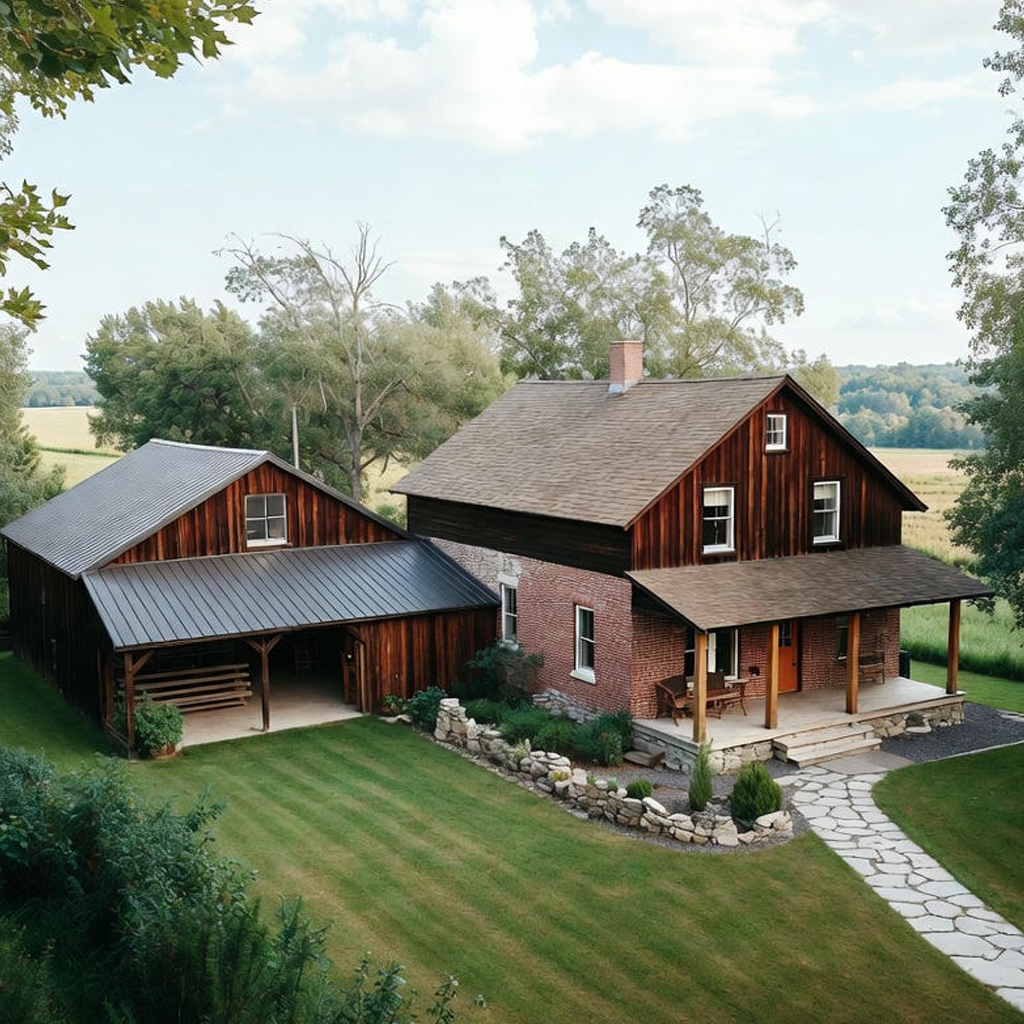
High-risk zones create unique challenges for property protection. These areas often face severe weather, flooding, or higher claim frequency. Selecting the right home insurance in Ontario becomes more complex in such conditions.
Standard policies may not provide enough coverage. Premiums can also vary significantly based on risk exposure. Homeowners must evaluate policy flexibility, exclusions, and claims support before making a decision.
What Is The Difference Between Brokers And Direct Insurers?
Choosing between brokers and direct insurers depends on how coverage is sourced.
- Direct insurers sell policies from a single company
- Home insurance brokers in Ontario compare options from multiple insurers
- Direct providers follow fixed underwriting guidelines
- Brokers offer more flexibility in coverage selection
Direct insurance can feel straightforward. However, it may not address complex risks found in high-risk zones.
Why Do High-Risk Properties Need More Flexible Coverage Options?
Properties in high-risk areas often require tailored coverage. Standard plans may exclude specific damages such as overland flooding or sewer backup.
Home insurance providers may limit coverage based on location risk. This can leave gaps in protection if not reviewed carefully.
Brokers help identify these gaps early. They align coverage with real property risks rather than generic policy structures. This ensures the policy reflects actual exposure.
How Do Brokers Improve Access To Multiple Home Insurance Providers?
Brokers act as intermediaries between clients and insurers. This structure offers access to a wider market.
- They compare pricing across multiple insurers
- They assess coverage differences in detail
- They negotiate terms based on property risk
For home insurance in Ontario, this approach is valuable in high-risk zones. It increases the chances of finding suitable coverage at a competitive rate.
When Does Direct Home Insurance Make Sense?
Direct insurance can work for low-risk properties. It suits homeowners with simple coverage needs.
The process is faster since it involves one provider. Policy issuance is usually quick and standardized.
However, direct insurers may decline coverage for high-risk properties. Even when available, the coverage may be limited or costly.
What Factors Should Guide The Final Decision?
The right choice depends on property risk, budget, and coverage expectations.
Key factors to evaluate include:
- Level of property risk exposure
- Need for customized coverage
- Flexibility in policy adjustments
- Access to multiple insurers
For high-risk zones, working with home insurance brokers in Ontario often provides better long-term value. It ensures coverage evolves with changing risks.
How Does Personalized Advice Improve Coverage Outcomes?
Insurance decisions become more effective with expert guidance. Brokers assess both property risks and financial goals.
They recommend coverage that balances protection and affordability. This reduces the chances of underinsurance or claim disputes.
Chapman Insurance Team follows this advisory approach. The focus remains on simplifying complex insurance choices while maintaining strong protection.
Why Does Long-Term Policy Support Matter In High-Risk Areas?
High-risk zones require ongoing policy reviews. Property risks can change due to environmental or structural factors.
Regular updates ensure coverage remains aligned with current conditions. Brokers assist with renewals, claims, and adjustments over time.
This continuous support adds stability. It also helps homeowners stay prepared for unexpected events.
Take The Next Step Toward Better Protection
Selecting between broker and direct insurance depends on risk complexity. High-risk zones demand careful evaluation and flexible coverage.
Chapman Insurance Team offers access to multiple home insurance providers while delivering personalized guidance. Connect with their team to find coverage that fits evolving property risks and long-term protection goals.